Archive photos
Historic prints, glass negatives, and restored details from tower exteriors and workrooms.
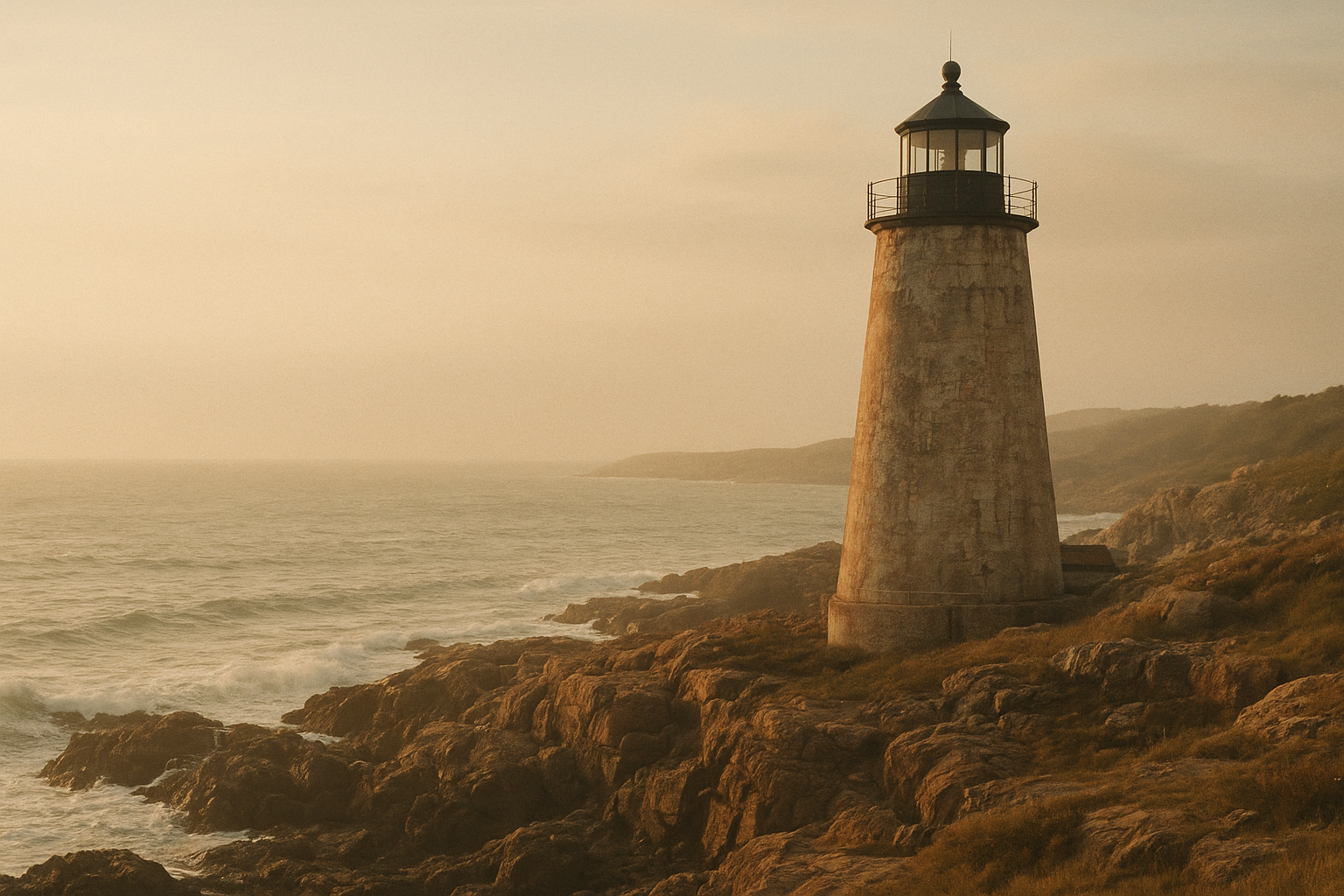
Discover the human and visual history of weathered beacons, keeper lives, and shoreline memory across the northern coast.
Explore the towersCollection introduction
This archive is organized for slow browsing: visual records, keeper narratives, and preserved tower notes that trace how these beacons were built, lived in, and remembered.
Historic prints, glass negatives, and restored details from tower exteriors and workrooms.
Plainspoken accounts of winter watches, family routines, and changing coastal duty.
Location context, preservation status, and reference notes for surviving structures.
Historical timeline
From first masonry towers to present-day stewardship, these milestones sketch the working and preserved life of the coast’s beacons.
1850s
Stone and brick towers replaced temporary beacons at key harbor approaches.
1880s–1900s
Fog signals, lamp care, and weather logs defined daily life on isolated points.
1930s–1950s
Modern optics and electric systems reduced manual operation at many stations.
1960s–1980s
Several towers left federal service and entered municipal or heritage trust care.
1990s–Today
Restoration campaigns and digitization now keep tower records accessible to all.
From the keepers
These short accounts introduce the human cadence behind the towers—night logs, storm repairs, and ordinary hours that held the coast together.
North Head Point
Keeper Elin Ward recorded salt freezing on the lantern panes while she timed each wick trim against the tide bell, preserving visibility during three nights of heavy sea smoke.
Ridge Lantern Station
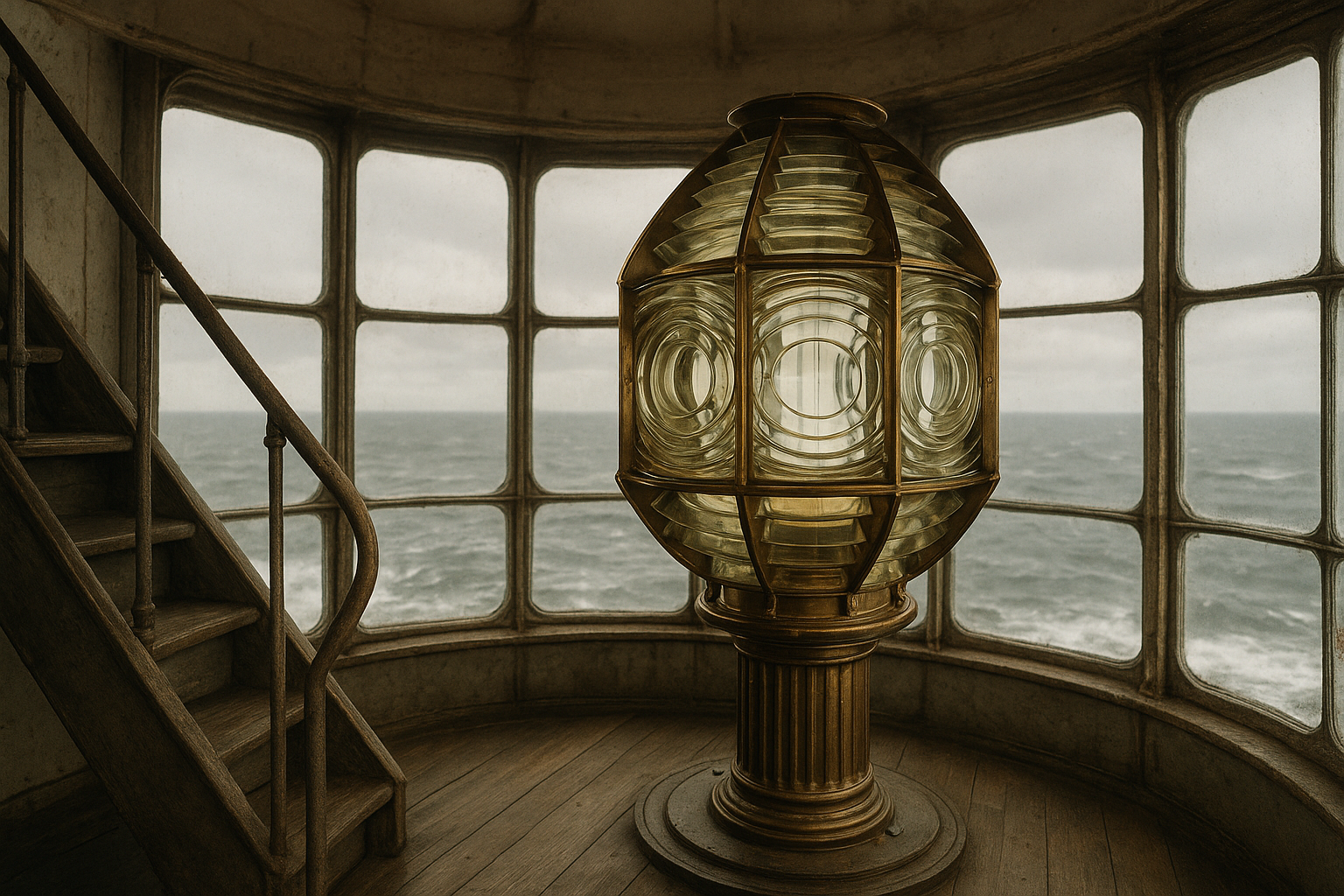
A keeper's daughter recalled porridge on the coal stove before dawn rounds, when every meal paused for horn checks and lamp room inspection.
West Breakwater Light
Following a March blow, Assistant Keeper Rowan Pike listed cracked paint, bent rail fittings, and one rescued skiff tied below the service dock.
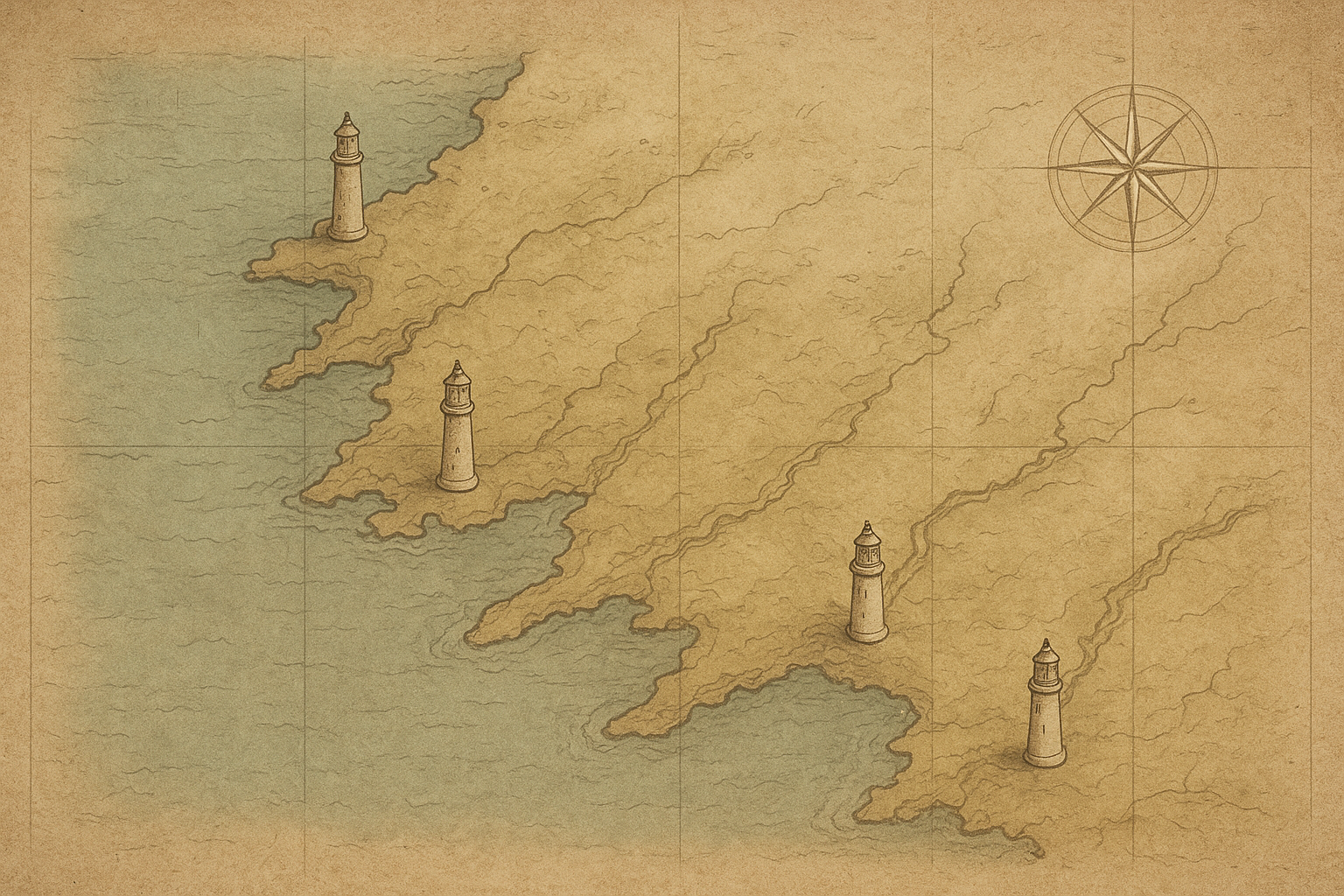
Geographic index